Our Educational Journey
The evolution of our approach to safety standards, cultural adaptation, and educational frameworks for program organizers.
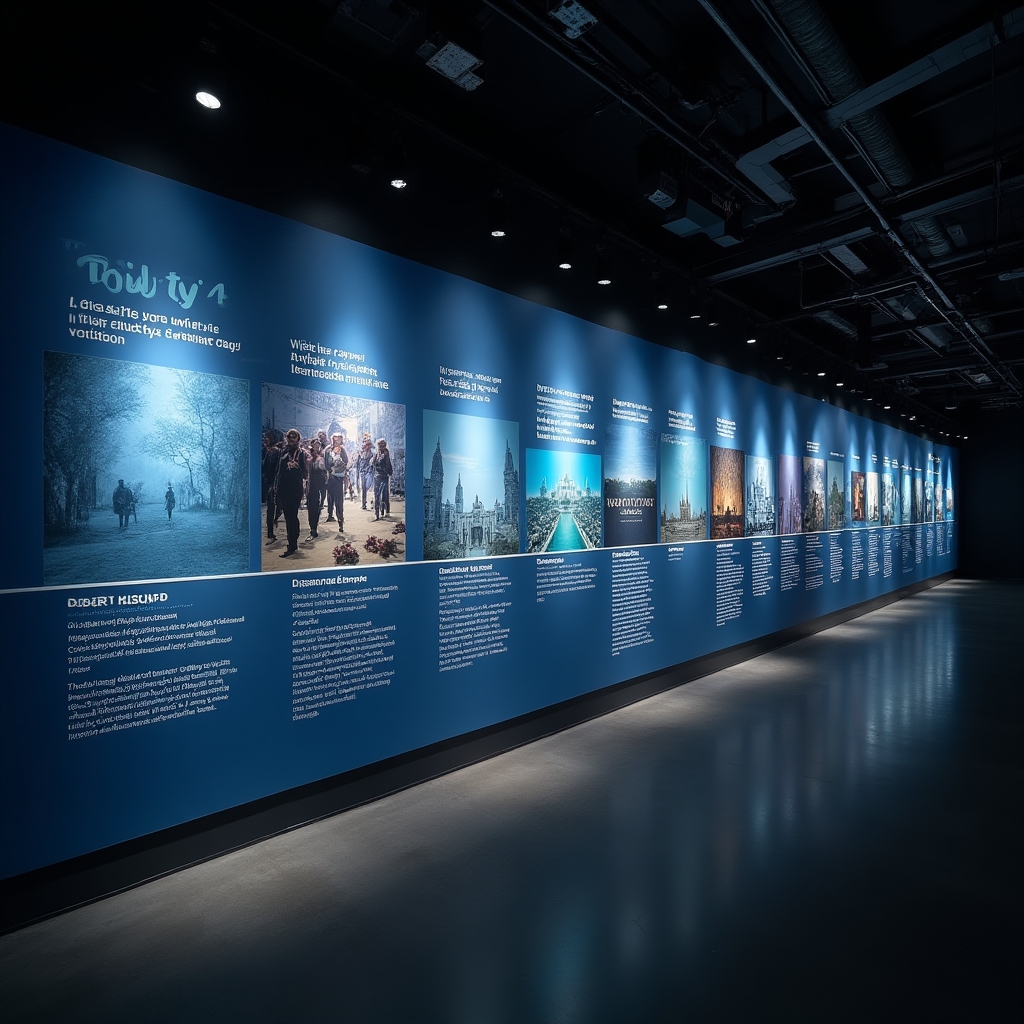
The evolution of our approach to safety standards, cultural adaptation, and educational frameworks for program organizers.
Verification-tdbank Global emerged from the recognition of a critical gap in educational resources for cultural and wellness program organizers. While abundant resources existed for medical practitioners and general event managers, those operating in the intersection of cultural programs and wellness initiatives lacked comprehensive guidance on operational standards, safety protocols, and cultural adaptation.
Our educational framework was developed through collaboration between safety specialists, cultural anthropologists, legal experts, and experienced program organizers across multiple countries. This interdisciplinary approach ensures our standards address the complex interplay between operational requirements and cultural nuances that impact program success.
The cornerstone of our methodology is the recognition that effective safety and operational protocols must be culturally responsive. Standards developed in one cultural context cannot be directly transplanted to another without thoughtful adaptation. This principle guides all aspects of our educational approach.
Foundational research into international variations in safety protocols and cultural approaches to wellness programs. Key findings revealed significant gaps in cross-cultural adaptation of operational standards.
Creation of initial operational standards framework, focusing on risk assessment methodologies adaptable to diverse cultural contexts. First pilot programs conducted with cultural organizations in Ireland, Spain, and Singapore.
Extension of educational framework to address Middle Eastern, East Asian, and North American cultural contexts. Development of specialized modules for wellness programs requiring careful distinction from medical claims.
Rapid development of protocols for virtual and hybrid program delivery, including digital safety frameworks and online participant screening methodologies. Integration of emerging public health standards into operational frameworks.
Launch of fully integrated educational curriculum combining operational standards, cultural adaptation frameworks, and legal compliance modules. Development of certification pathway for program organizers.
Implementation of scenario-based learning methodologies and comprehensive assessment frameworks. Development of specialized courses for emerging program formats and international regulatory environments.

Verification-tdbank Global employs a distinctive educational approach that balances theoretical foundations with practical application. Our methodology is built on three core components:
Our curriculum is organized into interconnected modules that allow for customized learning paths based on organizer needs and experience levels. Core modules establish fundamental principles, while specialized modules address specific program types, cultural contexts, or operational challenges.
Participants engage with realistic case scenarios drawn from actual programs across diverse cultural contexts. This approach develops critical thinking skills and the ability to apply frameworks to complex, ambiguous situations that frequently arise in international programs.
Our proprietary cultural adaptation methodology provides a structured process for analyzing how operational standards and safety protocols must be modified for different cultural contexts while maintaining core safety principles.
Implementation of our operational standards framework by a multi-venue cultural festival spanning three cities. Key adaptations included:
The standardized approach reduced safety incidents by 62% while accommodating local cultural expectations at each venue.
Adaptation of European wellness programming for implementation in Gulf Cooperation Council countries. Critical modifications included:
The culturally-adapted framework enabled successful program implementation while maintaining core safety standards.
Development of operational standards for a virtual wellness program delivered to participants across 12 countries. Key components included:
The framework enabled consistent program delivery while respecting cultural and regulatory variations across participating countries.
Our curriculum provides clear guidance on the legal and ethical responsibilities program organizers bear toward participants, staff, and the broader community. Key areas include:
We outline the legal concept of "duty of care" as it applies to program organizers across different jurisdictions, providing practical guidance on meeting these obligations through proper risk assessment, staff training, and emergency preparedness.
Our curriculum addresses the critical elements of valid informed consent, including disclosure requirements, capacity assessment, and documentation standards. We provide culturally-adapted consent models that respect varying expectations around disclosure while maintaining legal validity.
We provide a comprehensive approach to liability management that balances appropriate risk transfer (through waivers and insurance) with risk mitigation (through operational protocols). This includes jurisdiction-specific guidance on the enforceability of liability waivers and appropriate insurance coverage.
Our framework addresses the complex regulatory landscape for cultural and wellness programs, including consumer protection laws, health and safety regulations, and specific requirements for programs with wellness components. We provide tools for conducting jurisdiction-specific compliance assessments.
Join thousands of cultural and wellness program organizers who have transformed their operational approach through our comprehensive education.